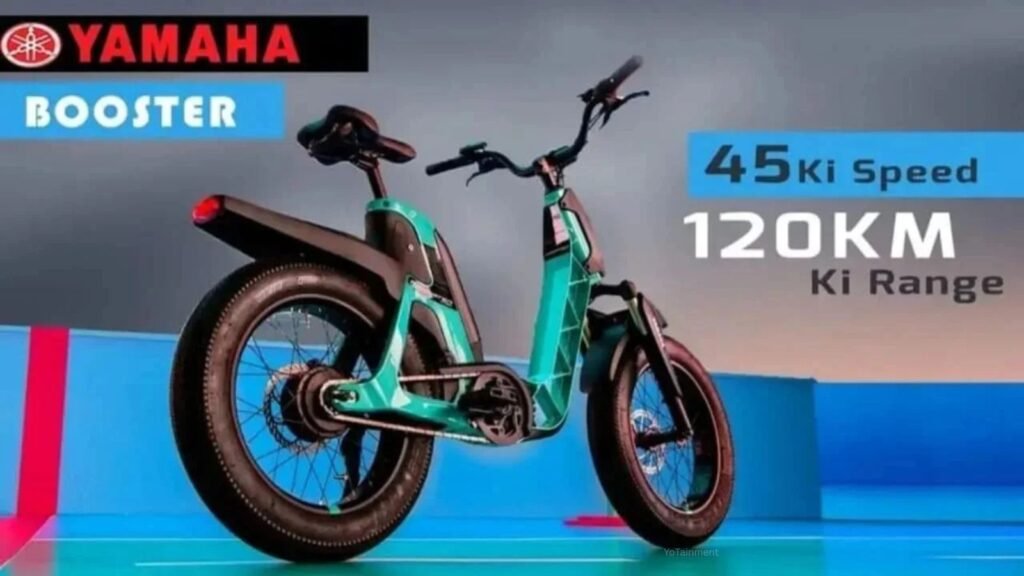

As electric mobility continues to reshape the way people travel in cities, Yamaha Electric Cycle 2026 has emerged as one of the most talked-about upcoming products in the urban transportation space. With fuel prices staying unpredictable and traffic congestion increasing every year, a growing number of users are actively searching for alternatives that are affordable, eco-friendly, and practical for daily use. This is exactly where the Yamaha Electric Cycle 2026 positions itself, promising a balanced mix of modern design, efficient electric assistance, long-range capability, and budget-focused usability.
In recent weeks, Yamaha Electric Cycle 2026 has been trending heavily across search platforms and social media, especially among students, office commuters, and delivery professionals. Yamaha’s entry into the electric cycle segment is not just about launching another product; it is about expanding electric mobility to a wider audience that wants petrol-free commuting without sacrificing comfort or reliability. With Yamaha’s brand credibility and engineering background, expectations from the Yamaha Electric Cycle 2026 are naturally high.
This detailed blog breaks down everything you need to know about the Yamaha Electric Cycle 2026, including its design philosophy, performance, range, features, specifications, expected pricing, and how it compares with competitors in the fast-growing electric cycle market.
Table of Contents
ToggleProduct Overview: Yamaha Electric Cycle 2026
The Yamaha Electric Cycle 2026 is designed as a lightweight, electric-assisted bicycle focused on everyday urban usage. It is expected to sit between traditional bicycles and electric scooters, making it an ideal choice for short to medium-distance daily travel. Yamaha’s strategy appears to focus on simplicity, efficiency, and cost-effectiveness rather than overcomplicating the product with unnecessary features.
Below is a quick overview of what the Yamaha Electric Cycle 2026 is expected to offer:
| Category | Details |
|---|---|
| Product Type | Electric Cycle (E-Bicycle) |
| Target Users | Students, office commuters, delivery riders |
| Motor Type | High-efficiency hub motor |
| Battery Type | Lithium-ion battery |
| Riding Range | Up to 300 km (eco mode) |
| Charging Time | Approx. 1 hour (fast charging) |
| Assist Modes | Pedal assist + electric mode |
| Display | LED digital display |
| Brakes | Front and rear braking system |
| Expected Price Range | Budget-friendly segment |
This overview highlights why Yamaha Electric Cycle 2026 is gaining so much attention even before its full-scale market rollout.
Design
The design of the Yamaha Electric Cycle 2026 follows a clean, modern, and urban-focused approach. Yamaha has clearly avoided making it look bulky or overly futuristic. Instead, the company has opted for a sleek frame that resembles a premium city bicycle with subtle electric elements integrated seamlessly.
The lightweight alloy frame plays a key role in improving maneuverability and ease of handling, especially in crowded city streets. The geometry is expected to suit riders of different age groups, allowing a comfortable upright riding posture. Yamaha’s experience in two-wheeler ergonomics reflects strongly in the design choices made for the Yamaha Electric Cycle 2026.
Exterior
From an exterior perspective, the Yamaha Electric Cycle 2026 balances style and practicality. The battery is neatly integrated within the frame, avoiding the bulky external battery packs seen on many budget electric cycles. This integration not only improves aesthetics but also helps with better weight distribution.
LED headlamps and tail lamps are expected to come as standard, enhancing visibility during early morning and late-night rides. Wide tyres add to road grip and stability, especially on uneven urban roads. The overall exterior finish is likely to reflect Yamaha’s premium branding, even while keeping costs under control.
Interior
While the term “interior” is usually associated with cars, in the case of the Yamaha Electric Cycle 2026, it refers to the rider interface and control layout. Yamaha is expected to equip the cycle with a minimal yet informative LED digital display. This display shows key information such as speed, battery percentage, riding mode, and estimated remaining range.
The handlebar layout is kept simple to avoid distractions. Buttons for power modes and assist levels are placed within easy reach, making the Yamaha Electric Cycle 2026 beginner-friendly. The saddle is wide and cushioned, ensuring comfort even during longer commutes.
Mileage
Mileage, or riding range, is one of the biggest talking points surrounding the Yamaha Electric Cycle 2026. Yamaha is expected to claim a range of up to 300 km when used in eco mode with pedal assistance. While real-world range may vary based on rider weight, terrain, and usage style, even a practical range of 120–150 km would place the Yamaha Electric Cycle 2026 ahead of many competitors.
This impressive mileage makes the Yamaha Electric Cycle 2026 ideal for users who do not want to charge their vehicle frequently. For daily city commutes of 10–20 km, a single charge could potentially last several days.
Motor Performance
The Yamaha Electric Cycle 2026 is expected to use a high-efficiency hub motor designed for smooth and silent operation. This motor delivers instant torque, making it easy to navigate traffic, signals, and inclines without excessive pedaling effort.
The pedal-assist system intelligently adjusts power output based on rider input, which helps maintain natural cycling feel while reducing fatigue. This makes the Yamaha Electric Cycle 2026 suitable even for riders with limited cycling experience.
Battery and Charging
Battery technology is another strong area for the Yamaha Electric Cycle 2026. The lithium-ion battery is securely mounted within the frame for safety and balance. One of the standout features is fast charging, with claims of full charging in approximately one hour under optimal conditions.
Fast charging significantly improves convenience, especially for users with busy schedules. Combined with long range, the Yamaha Electric Cycle 2026 reduces range anxiety and charging-related stress.
Features
The Yamaha Electric Cycle 2026 focuses on essential features rather than unnecessary gimmicks. Key features expected include:
-
LED digital instrument display
सम्बंधित ख़बरें
 2026 Toyota Corolla Pickup: Smart Design, Fuel Efficiency, and Everyday Utility for Modern Drivers
 Hyundai Tucson 2026 Review – Premium Design, Hybrid Efficiency and Smart SUV Comfort
 New TATA Nano 2026 Returns: India’s Most Affordable Car Gets a Futuristic Rebirth
 2026 Toyota Corolla First Look: Modern Styling, Innovative Technology, and Efficient Performance
 2026 Toyota Baby Land Cruiser: Compact Off-Roader With Rugged 4×4 DNA, Hybrid Options & Adventure-Ready PerformancePowerd By Teckshop⚡
 -
Multiple riding and assist modes
-
Intelligent power management system
-
Regenerative braking support
-
Integrated LED lighting setup
-
Lightweight and durable frame
These features enhance daily usability and efficiency while keeping maintenance requirements low.
Comfort and Safety
Comfort is a major priority for Yamaha, and the Yamaha Electric Cycle 2026 reflects that clearly. Front suspension absorbs minor road imperfections, while wide tyres improve stability and grip. This combination ensures a smooth ride even on rough city roads.
For safety, the Yamaha Electric Cycle 2026 is expected to offer reliable front and rear braking systems. Bright LED lights improve visibility, and the stable frame design ensures confidence during sudden stops or sharp turns.
Specifications
Below is a detailed specification snapshot of the Yamaha Electric Cycle 2026:
| Specification | Details |
|---|---|
| Motor | High-efficiency hub motor |
| Battery | Lithium-ion |
| Charging Time | Around 1 hour |
| Range | Up to 300 km (eco mode) |
| Tyres | Wide city tyres |
| Suspension | Front suspension |
| Display | LED digital |
| Weight | Lightweight category |
| Braking | Front and rear brakes |
These specifications highlight Yamaha’s focus on efficiency, reliability, and user comfort.
Price and EMI Expectations
Pricing will play a crucial role in the success of the Yamaha Electric Cycle 2026. Industry expectations suggest that Yamaha will position it in the affordable segment to attract mass-market buyers. Easy EMI options, low down payment plans, and affordable maintenance costs are likely to be offered to make the Yamaha Electric Cycle 2026 accessible to a wide audience.
Compared to petrol-powered two-wheelers, the running cost of the Yamaha Electric Cycle 2026 is expected to be extremely low, with minimal charging expenses and limited service requirements.
Market Position and Competitor Comparison
The electric cycle market is becoming increasingly competitive, with several local and international brands offering similar products. However, the Yamaha Electric Cycle 2026 stands out due to Yamaha’s brand trust, expected build quality, and focus on long-term reliability.
While many competitors focus on flashy features, Yamaha appears to prioritize everyday usability, durability, and realistic performance. This approach could give the Yamaha Electric Cycle 2026 a strong edge, especially among conservative buyers who value reliability over trends.
Sales Potential and Target Audience
The sales potential of the Yamaha Electric Cycle 2026 looks strong, particularly in urban and semi-urban areas. Students, office-goers, gig economy workers, and environmentally conscious riders are likely to be the primary customer base.
With supportive government policies for electric mobility and rising awareness about sustainability, the Yamaha Electric Cycle 2026 is well-positioned to capture a significant share of the electric cycle market.
Final Words
The Yamaha Electric Cycle 2026 represents a practical step toward affordable and accessible electric mobility. With its long range, fast charging, comfortable design, and Yamaha’s trusted engineering, it has the potential to become a popular choice for everyday commuting.
Rather than being just another electric cycle, the Yamaha Electric Cycle 2026 aims to offer a complete, reliable, and future-ready mobility solution. For users seeking a cost-effective, eco-friendly alternative to traditional petrol vehicles, this electric cycle could be a smart and sensible investment in 2026.