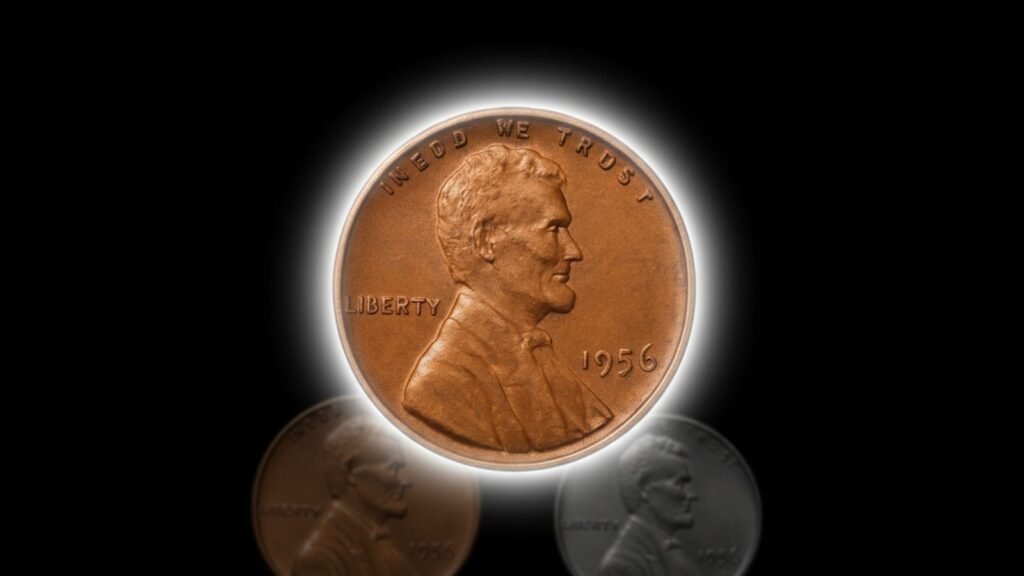

Have you ever picked up an old copper-colored penny, felt its weight in your palm, and wondered about the hands it passed through before reaching you? Maybe it jingled in someone’s pocket during the Great Depression, bought a loaf of bread during wartime rationing, or sat quietly in a drawer for decades before being rediscovered. That quiet sense of mystery is exactly why Wheat Pennies continue to fascinate collectors and casual finders alike. These coins are not just spare change from another era; they are small, tangible witnesses to more than half a century of American history.
For a long time, Wheat Pennies were overlooked. They were tossed into jars, mixed with modern coins, or spent without a second thought. Many people remember finding them as kids and thinking they looked “different,” but rarely imagined they could ever be valuable. Fast forward to today, and the story has changed dramatically. Thanks to renewed interest in collectibles, viral videos, and a younger generation discovering coin collecting online, Wheat Pennies are enjoying a major revival. Some are still worth only a few cents, but others can fetch hundreds or even thousands of dollars, depending on rarity and condition.
This detailed guide explores why Wheat Pennies matter, how they moved from everyday money to collectible treasures, which ones are the most valuable, and why interest in them is stronger than it has been in decades.
What Exactly Are Wheat Pennies?
Wheat Pennies, officially known as Lincoln Wheat Cents, were first introduced in 1909. The year was significant because it marked the 100th anniversary of Abraham Lincoln’s birth. To honor that milestone, the U.S. Mint made a historic decision: for the first time, a real person would appear on a circulating American coin. That person was Lincoln, whose profile still appears on the penny today.
The front of the coin features Lincoln’s portrait, while the back shows two simple wheat stalks framing the words “One Cent.” Those wheat stalks symbolized America’s agricultural strength and prosperity. This reverse design remained in use until 1958, after which it was replaced by the Lincoln Memorial design in 1959. Every penny minted between 1909 and 1958 with this wheat design is considered one of the classic Wheat Pennies.
From Everyday Change to Collectible Coins
When they were first minted, Wheat Pennies were just that—pennies. They bought candy, newspapers, and cups of coffee. Nobody tucked them away thinking they would be valuable one day. Because they circulated heavily, many surviving examples show significant wear.
Over time, however, collectors began to notice that certain dates, mint marks, and errors were much harder to find. As supplies of well-preserved coins dried up, demand increased. Today, most common Wheat Pennies are still affordable, but specific examples have become true collector’s items.
Here’s a look at how the market for Wheat Pennies has evolved over the past decade:
| Year | Circulated Value | Uncirculated Value | Rare Varieties Value | Market Trend |
|---|---|---|---|---|
| 2015 | $0.05–$0.25 | $1–$3 | $300–$1,500 | Stable |
| 2017 | $0.10–$0.50 | $2–$5 | $400–$2,000 | Rising |
| 2019 | $0.15–$0.60 | $3–$7 | $500–$2,500 | Expanding |
| 2021 | $0.20–$0.75 | $4–$10 | $600–$3,000 | Auction boom |
| 2023 | $0.25–$1.00 | $5–$12 | $700–$3,500 | Grading surge |
| 2025 | $0.30–$1.50 | $6–$15 | $800–$5,000+ | Youth-driven resurgence |
This steady rise shows how Wheat Pennies have transitioned from pocket change into a recognized collectible category.

Why Wheat Pennies Are Popular Again
Several cultural and economic factors have come together to bring Wheat Pennies back into the spotlight.
One major reason is social media. Platforms filled with short videos showing people finding rare coins in everyday change have turned coin collecting into a modern treasure hunt. Watching someone pull a valuable Wheat Penny from a roll of coins is exciting and relatable.
Nostalgia also plays a big role. Many adults remember seeing Wheat Pennies in their grandparents’ homes or childhood piggy banks. Rediscovering them brings back memories and creates a personal connection to the past.
Economic uncertainty has added fuel to the trend. When people feel unsure about traditional investments, tangible collectibles like coins feel safer and more enjoyable. Wheat Pennies are affordable entry points into collecting, which makes them attractive to beginners.
Finally, family discoveries matter. Finding an old jar of Wheat Pennies in an attic or basement often sparks curiosity and leads people deeper into the hobby.
The Most Sought-After Wheat Pennies
Not all Wheat Pennies are created equal. Some dates and varieties are especially valuable because of low mintage numbers or famous minting errors.
Here are some of the most desirable examples:
| Year | Mint Mark | Description | Estimated Value (2025) | Why It’s Special |
|---|---|---|---|---|
| 1909-S VDB | S | First issue with designer initials | $1,000–$5,000+ | Only 484,000 minted |
| 1914-D | D | Scarce in high grade | $200–$2,500 | Frequently counterfeited |
| 1922 No D | None | Missing mint mark error | $500–$3,000 | Famous production error |
| 1931-S | S | Low mintage year | $100–$600 | Always in collector demand |
| 1955 Doubled Die | None | Dramatic doubled lettering | $1,000–$10,000+ | One of the most famous U.S. errors |
These standout Wheat Pennies are the reason collectors carefully inspect every old penny they find.
Why Condition Makes Such a Huge Difference
In the world of Wheat Pennies, condition can mean the difference between a coin worth a dollar and one worth thousands. Collectors use a standardized grading scale to describe how much wear a coin shows.

Common grades include:


-
G-4 (Good): Heavy wear, but the date is readable
-
F-12 (Fine): Moderate wear with visible details
-
EF-40 (Extremely Fine): Light wear, sharp details
-
AU-50 (About Uncirculated): Almost no wear
-
MS-60 to MS-70 (Mint State): No wear at all
Once Wheat Pennies reach Mint State grades, their value can jump dramatically. A coin that might sell for $5 in circulated condition could be worth $200 or more if it’s uncirculated.
Collecting Wheat Pennies in the Digital Age
Modern technology has changed how people collect Wheat Pennies. Instead of relying solely on books and local dealers, collectors now use apps and online databases to identify and evaluate coins instantly.
Online marketplaces have also expanded access. Collectors can buy and sell Wheat Pennies worldwide, increasing competition and driving prices higher for rare examples. Professional grading services play an important role by authenticating coins and assigning trusted grades, which adds confidence and transparency to the market.

Common Mistakes New Collectors Should Avoid
Newcomers often make a few predictable mistakes when dealing with Wheat Pennies.
Cleaning coins is the most common error. Even gentle cleaning can permanently damage a coin’s surface and reduce its value significantly. Collectors prefer original surfaces, even if they show age.
Counterfeits are another concern. Rare Wheat Pennies are frequently faked, so learning to recognize genuine examples is important. Proper storage also matters. Coins should be kept in airtight, PVC-free holders to prevent corrosion.
Wheat Pennies as Long-Term Investments
Beyond the hobby aspect, Wheat Pennies have gained attention as alternative investments. Rare U.S. coins generated hundreds of millions of dollars in auction sales in recent years, and certain key-date Wheat Pennies have shown strong long-term appreciation.
While not every penny will make you rich, well-chosen examples with verified grades can hold value and even outperform traditional assets over time.
Think You Found a Valuable Wheat Penny?
If you think you’ve found an interesting Wheat Penny, start by checking the date and mint mark under Lincoln’s shoulder. Look closely for unusual features like doubled letters or missing marks. Compare it to known examples, and if it still looks promising, consider professional grading.
Why Wheat Pennies Still Matter
At their core, Wheat Pennies are more than collectibles. They are storytellers. Each one passed through countless lives and moments, from everyday purchases to historic events. Collecting them is a way of holding history in your hand.
Wheat Pennies Quick Facts (2025)
| Category | Details |
|---|---|
| Common Value | $0.30–$1.50 |
| Mint State Value | $6–$15 |
| Rare Varieties | $800–$5,000+ |
| Most Desired | 1955 Doubled Die |
| Fastest-Growing Group | Collectors ages 20–35 |
| Best Storage | Airtight, PVC-free holders |
In a fast-paced digital world, Wheat Pennies offer something rare: a quiet connection to the past. Whether you collect them for fun, history, or potential profit, these small copper coins prove that even the simplest objects can carry remarkable stories.